

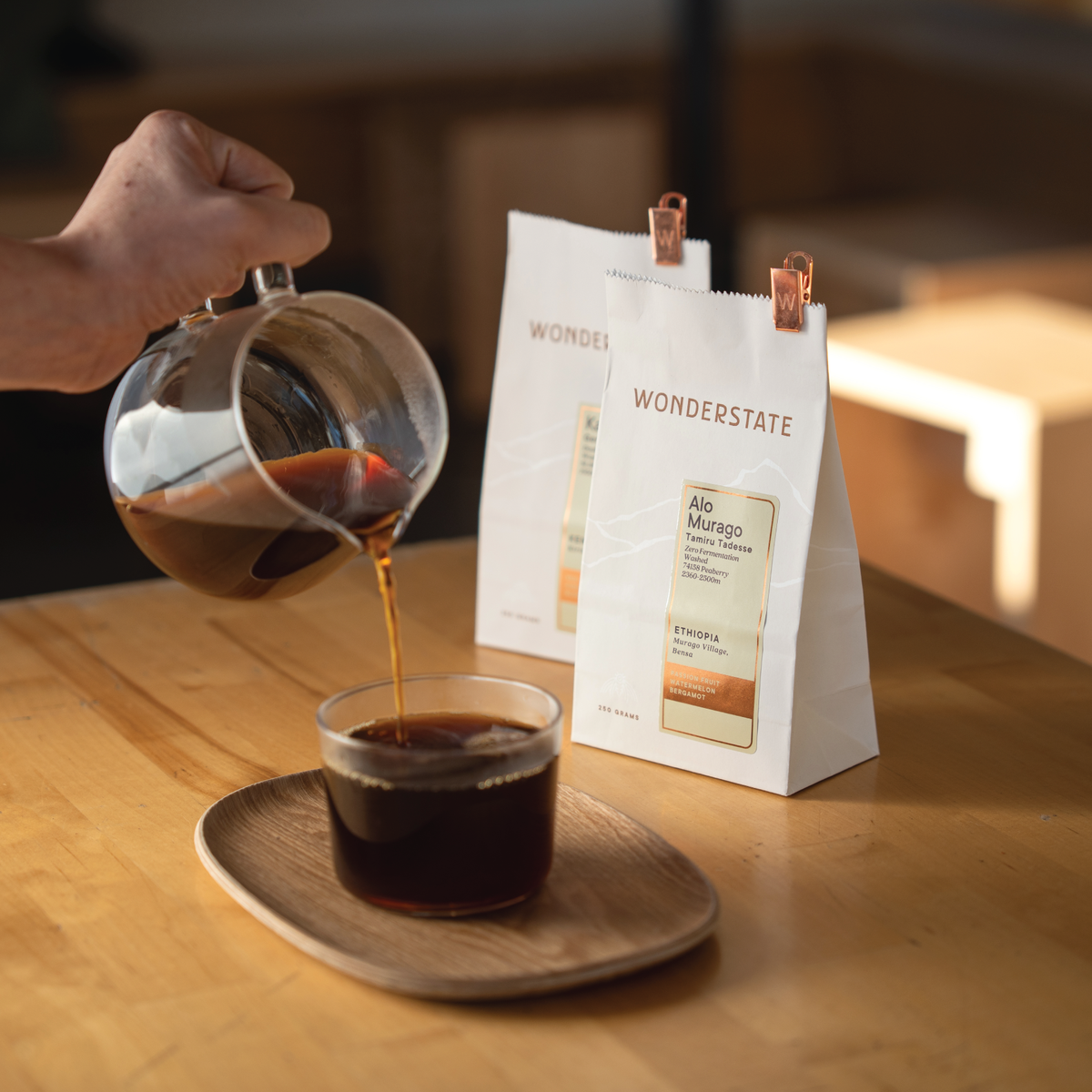

Small Wonders Peaberry Set
For this Reserve Lot set we chose two coffees that share one obvious similarity while tasting almost nothing alike. This may be our most playful Reserve release to date, and quite possibly our highest-quality.
Kenya Kambarare Peaberry
A wildly expressive Kenyan coffee, bursting with red currant, blackberry, mangosteen, and blood orange. Intensely fruity and unmistakably Kenyan, Kambarare pairs remarkable aromatic depth with a lively acidity.
Ethiopia Alo Murago Peaberry
Passionfruit takes center stage in this extraordinary Ethiopian coffee, joined by fresh watermelon, peach, blueberry, and bergamot-like florals. Exceptionally aromatic and strikingly transparent, Murago delivers a tropical intensity unlike anything we’ve tasted before.
These coffees are only roasted once per week. First roast and ship date: 11/9.
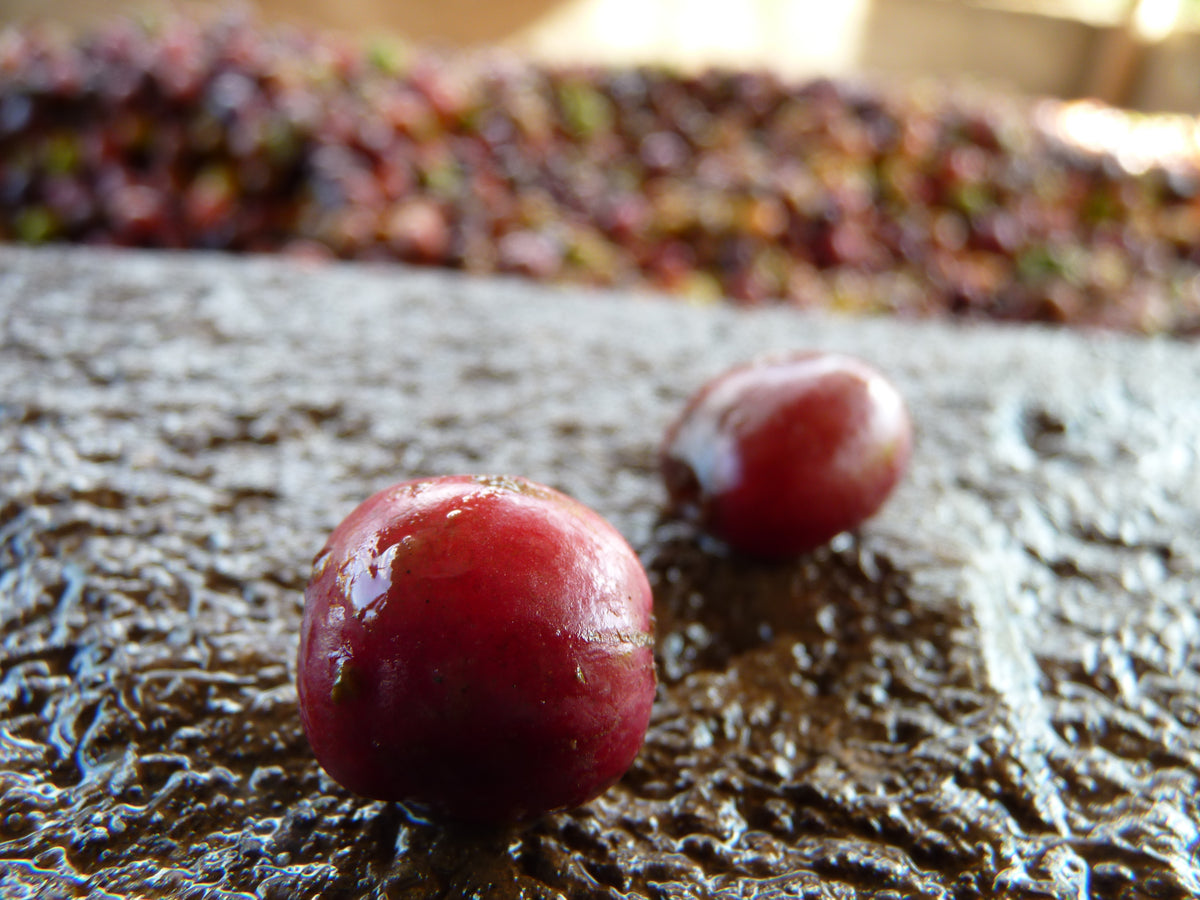
What's a Peaberry?
Peaberries are naturally occurring and develop when a coffee cherry produces a single seed rather than the standard two. Their formation is influenced by genetics, pollination, and environmental conditions.
We’ve tasted many remarkable peaberry selections. In our experience, they can present with lighter texture and unusually pointed acidity, creating coffees that feel electric, bright, and highly aromatic.
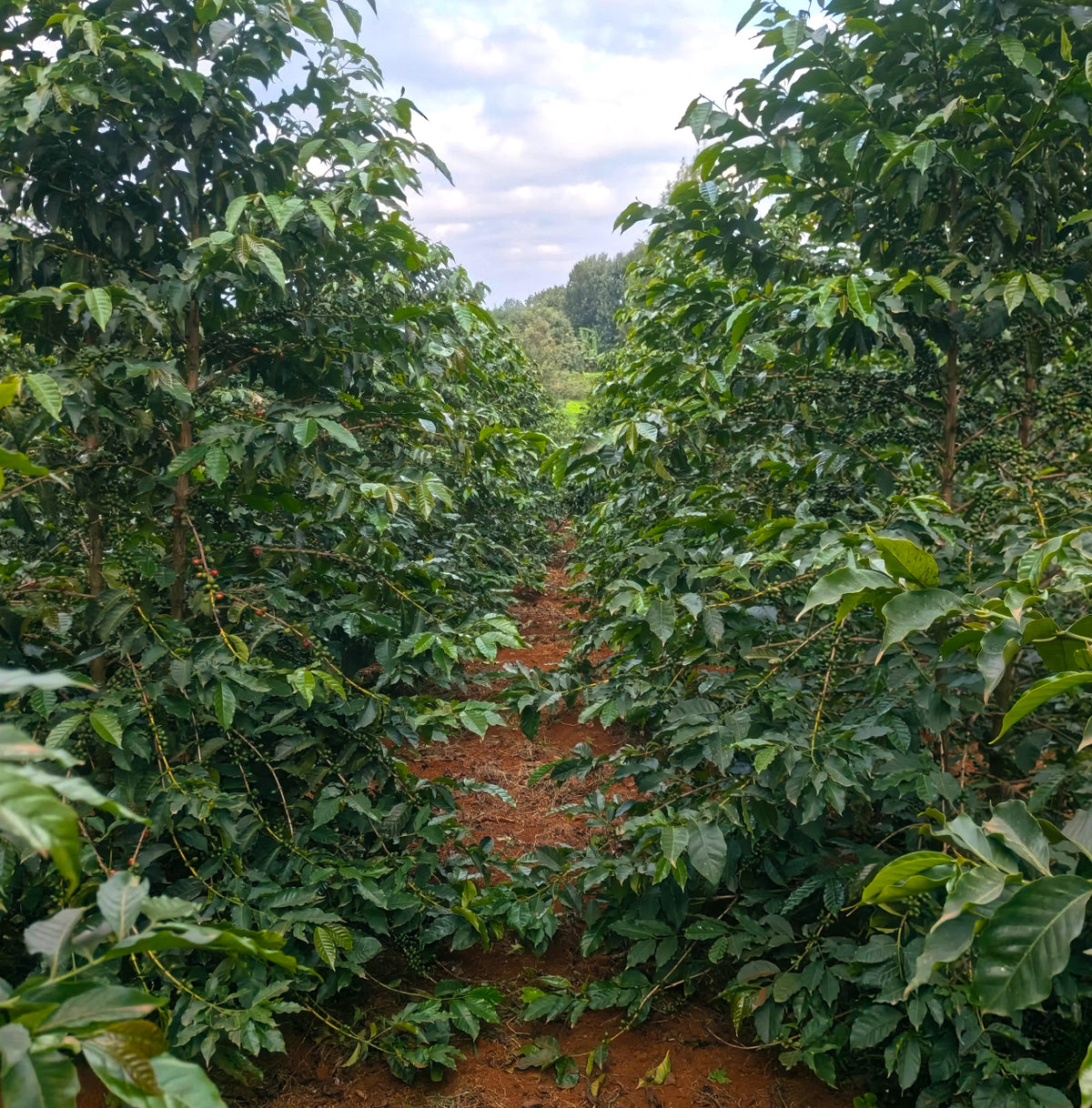
Kenya Kambarare
Gerald Nagji
Kiamutugu, Kirinyaga County
Kenya's coffee sector is complex, and some of its most remarkable lots are committed to buyers long before they reach the wider market. For us, relationships have become essential to finding coffees that reflect the very best of what Kenya has to offer.
Produced by Gerald Njagi, this coffee is a reflection of both its exceptional raw material and a remarkably straightforward approach to processing. Gerald depulps the cherries, ferments the coffee for approximately 36 hours in the shade, then washes and dries it on raised beds. The peaberries receive the same treatment as the larger AA and AB grades, with no additional processing or special handling.
It's a simple approach, but one that preserves the character of the coffee without unnecessary intervention. For us, Kambarare is a reminder of why we keep looking for great Kenyan coffee.
Specs
1950 meters |
|
SL 28 |
|
Picked at peak ripeness and then hand-sorted and floated to remove defects. De-pulped same day and mixed for uniformity. Dry-fermented 18–20 hours in darkness, then washed and turned in fresh water until it runs clean. A second 24-hour fermentation follows, then another wash and density sorting through channels. Dried slowly on shaded raised beds. |
|
November 2025 |
|
Kiamutugu, Kirinyaga County |
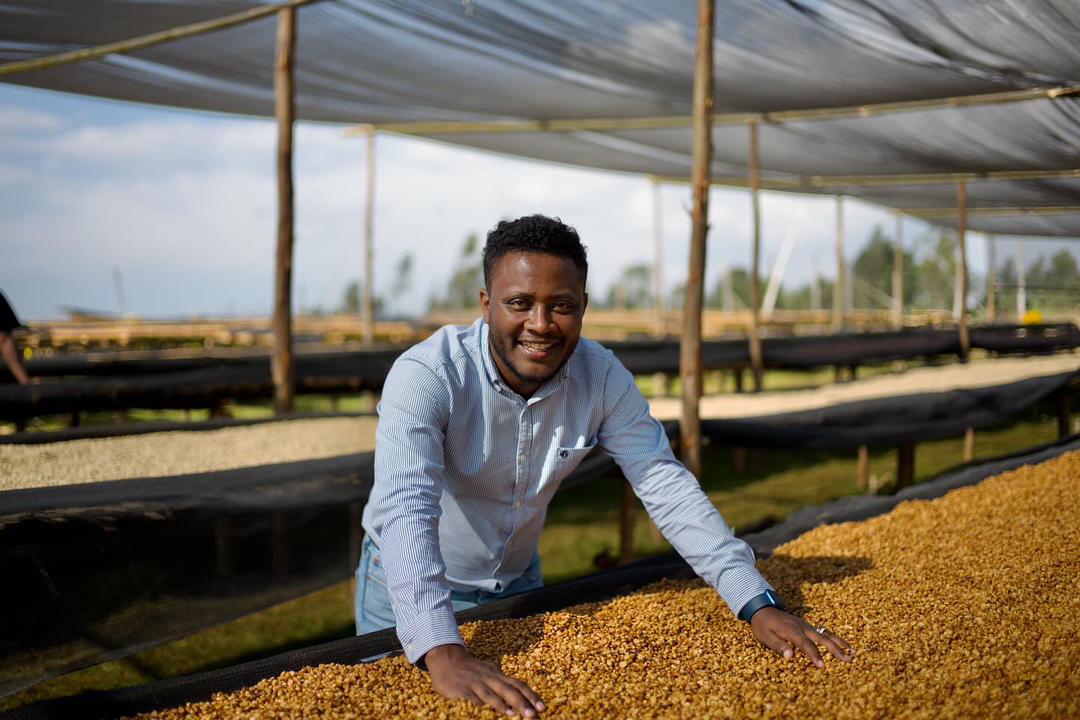
Ethiopia Alo Murago
Tamiru Tadesse
Murago Village, Bensa
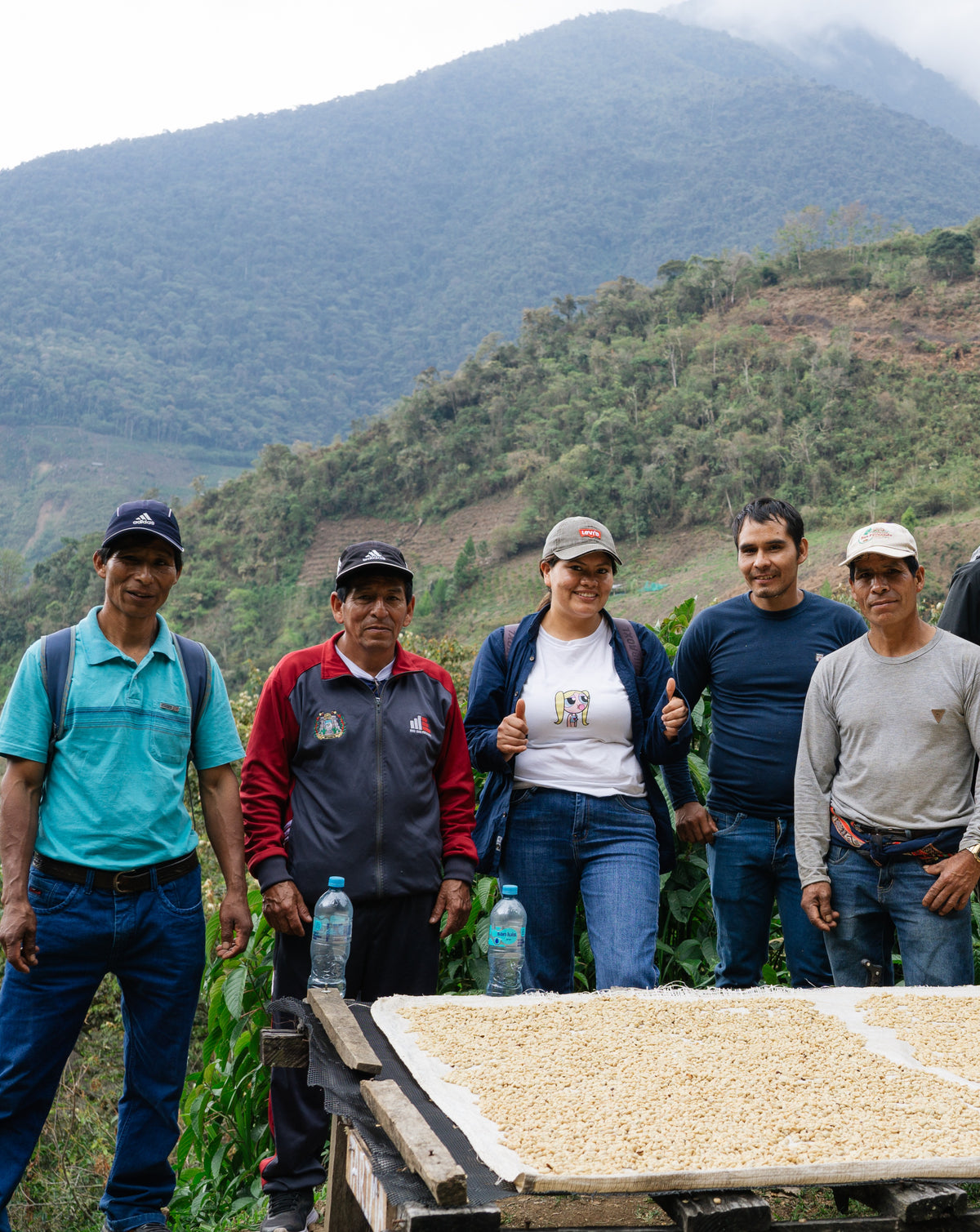
Tamiru Tadesse brings a distinctly analytical approach to coffee production, treating each stage as an opportunity to better understand and refine the variables that shape a coffee's final character.
This selection comes from Murago where the coffee is commonly grown above 2,200 meters and coffee cherries develop slowly. Sometimes called Alo Berry, this release represents just 66 pounds of coffee.
It's processed using Tamiru's Zero Fermentation method, which mechanically removes the mucilage rather than relying on fermentation to break it down. By minimizing fermentation as a flavor-producing variable, Tamiru preserves a clearer expression of variety, growing environment, and ripeness.
It's a fascinating example of how thoughtful experimentation can bring something entirely new to an already exceptional coffee.
Specs
2360-2500m |
|
74158 |
|
Coffee cherries are depulped to remove virtually all mucilage, washed by hand to remove remaining mucilage, and dried on raised beds. |
|
January - February 2026 |
|
Murago Village, Bensa |